Almost every question we get in the first week after an extraction is really the same question: is this going to ruin anything? The good news is that recovery is far more forgiving than most people expect. The bad news is that a small number of specific habits genuinely do cause problems — and most of them involve what you eat and how you eat it.
This guide walks through what to eat after a tooth extraction day by day, when you can go back to solid food, and which foods and habits are worth avoiding until the site has closed over.
One note before the timeline. These are general guidelines. The written instructions you were given at discharge always take priority, particularly if you had sedation or a more involved procedure such as wisdom teeth removal or a bone graft. Our full post-operative instructions cover bleeding, swelling, medication, and oral hygiene alongside diet.
The one rule everything else follows
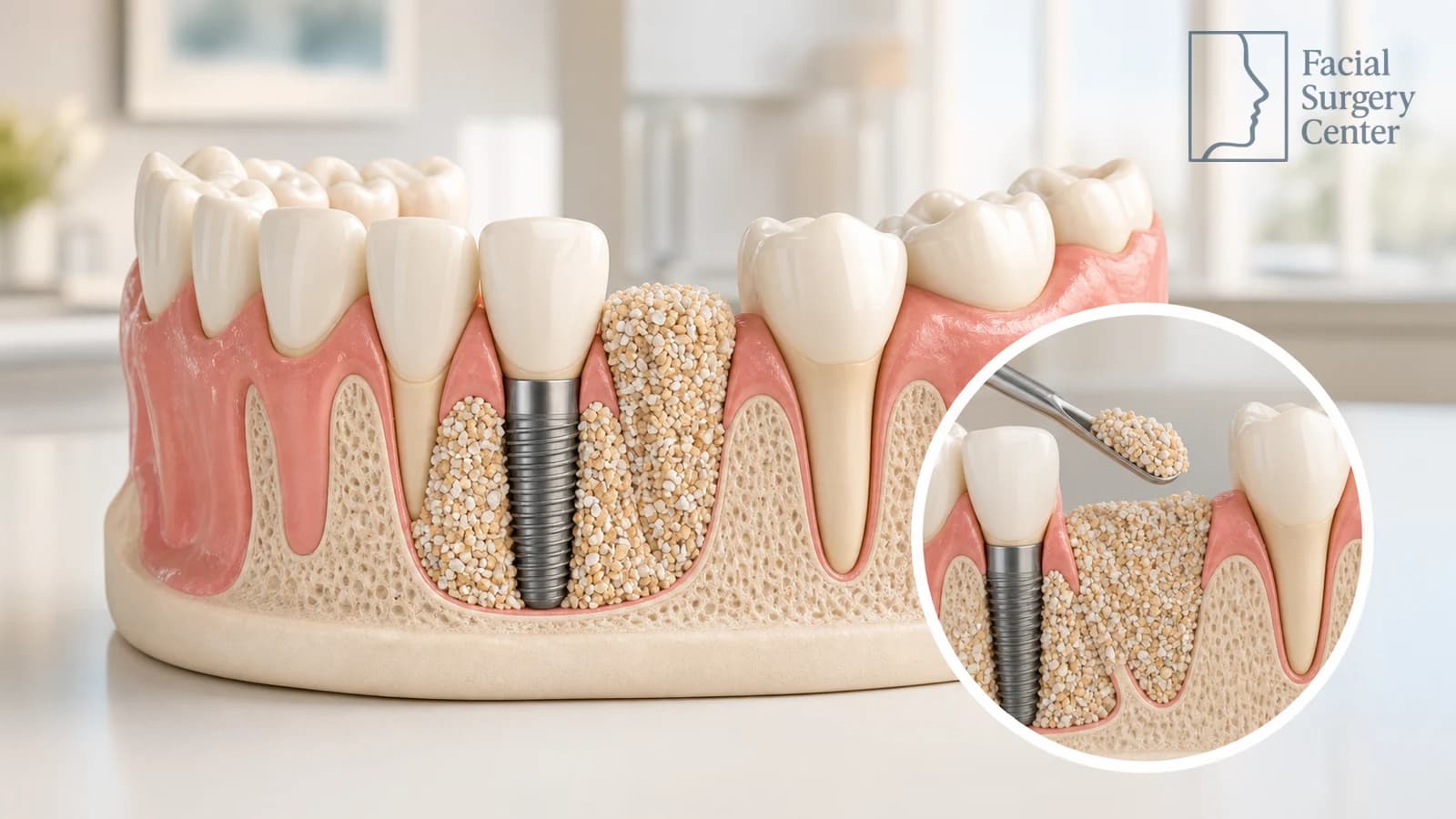
A blood clot forms in the empty socket within the first few hours. That clot is the foundation for everything that follows — it protects exposed bone and nerve endings while the gum tissue grows over the top.
Nearly every dietary restriction after an extraction exists to protect that clot. Once you understand that, the rules stop feeling arbitrary:
- Suction pulls it out. Hence no straws, no smoking or vaping, no forceful swishing.
- Heat softens it. Hence cool or lukewarm food for the first day or two, not hot.
- Sharp particles lodge underneath it. Hence no chips, nuts, popcorn, or seeds.
- Pressure disrupts it. Hence nothing that needs real chewing while it is still fragile.
Losing that clot causes dry socket — a genuinely painful complication that usually needs a visit to treat. It is uncommon, and it is largely preventable.
How long to wait before eating
Once bleeding has settled and the gauze is out — usually two to three hours after surgery — you can start with cool liquids and smooth, soft foods.
The more important limit is anaesthetic, not time. Your lip and cheek can stay numb for up to four hours, and while they are numb you cannot feel yourself biting them or burning them. Stick to cool foods and avoid chewing until normal sensation is back.
If you had IV sedation, this is different. Sedation carries its own eating and drinking restrictions that are stricter than the general guidance here. Follow the specific instructions you were sent home with, and call the office if they are not clear.
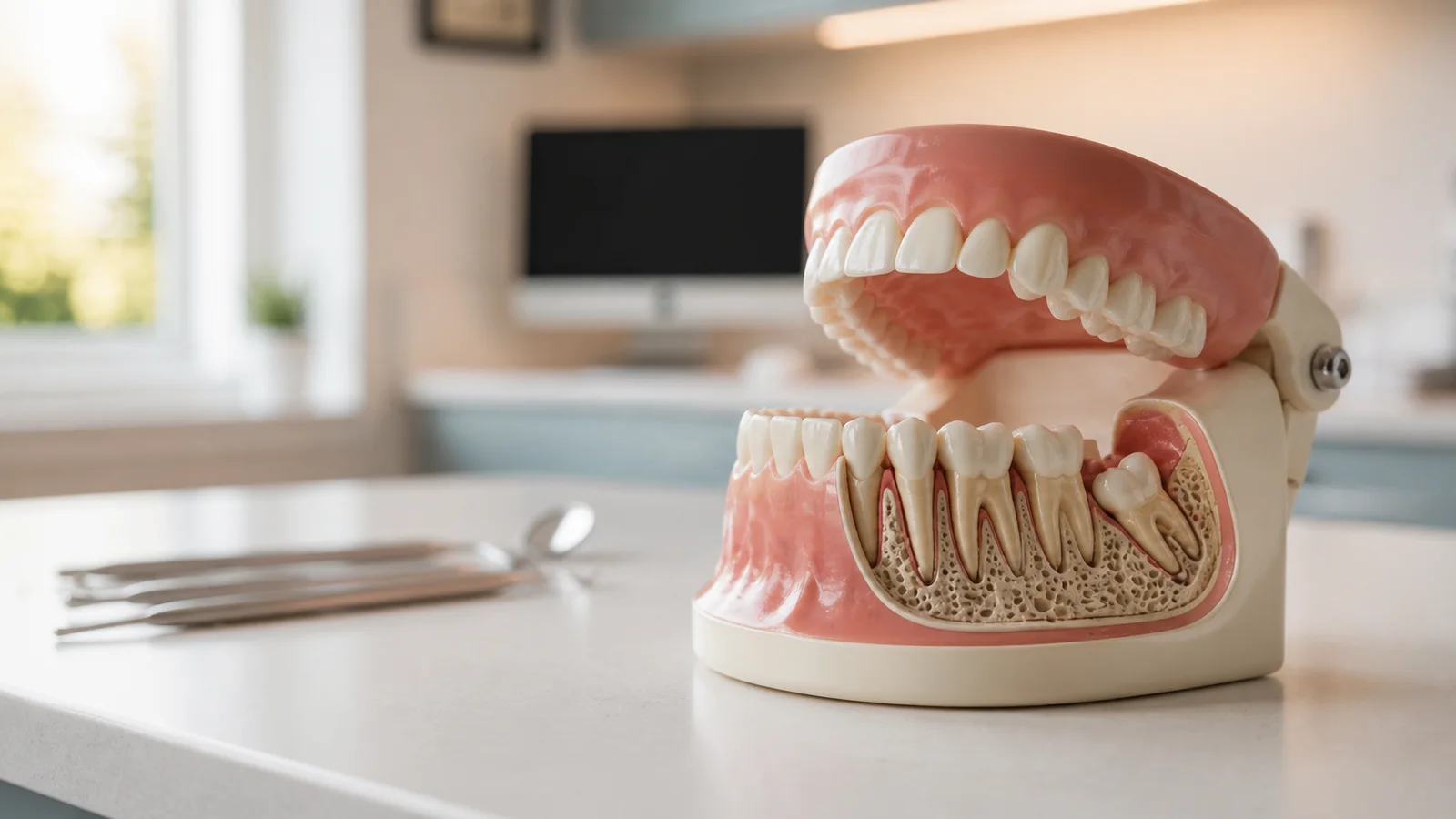
How long after wisdom teeth removal can I eat?
Most patients can start with cool liquids and smooth, soft foods about two to three hours after wisdom teeth removal, once bleeding has settled and the gauze is out. Wait until the numbness has worn off before chewing.
Removing several wisdom teeth or an impacted tooth can make chewing uncomfortable for longer than a routine extraction. The starting rule is still the same: begin with small amounts of cool, smooth food, protect the blood clots, and move forward only as comfort allows.
The first 24 to 48 hours: cool and smooth
Aim for foods that need no chewing at all and arrive at your mouth cool or barely lukewarm.
Good choices in this window:
- Plain or Greek yogurt
- Applesauce
- Pudding, custard, and cool rice pudding
- Mashed potatoes, cooled to lukewarm
- Blended soups, served cool or lukewarm — never hot
- Smoothies and milkshakes, eaten with a spoon
- Cottage cheese
- Protein shakes and meal-replacement drinks
- Ice cream and sorbet, which double as a cold compress from the inside
Two things worth calling out. Smoothies are excellent here, but the straw is the problem, not the smoothie — spoon it. And if you have been prescribed antibiotics, yogurt does useful double duty, since we generally recommend probiotics alongside a course of antibiotics to reduce stomach upset.
Keep sipping water throughout the day. Dehydration makes the headache and grogginess of the first day noticeably worse.
Days 2 to 3: still soft, slightly more substantial
Swelling and discomfort usually peak between 48 and 72 hours. If day two feels worse than the day of surgery, that is the normal curve, not a sign that something has gone wrong.
Your diet does not need to change much yet, but you can add more substance:
- Scrambled eggs, soft and not too hot
- Oatmeal and cream of wheat, cooled
- Refried beans and hummus
- Mashed avocado
- Soft-cooked pasta such as macaroni cheese
- Well-mashed bananas or ripe soft fruit
- Polenta or grits
- Thick lentil or vegetable soup, blended smooth
From 24 hours onwards you can start gentle warm salt-water rinses — half a teaspoon of salt in eight ounces of water, three or four times a day, especially after eating. Let the water fall out of your mouth into the sink rather than spitting it out with force.
Days 4 to 7: easing into soft solids
By now most patients are off prescription pain relief and the swelling is visibly down. This is the point to start reintroducing food that needs light chewing — on the opposite side of your mouth.
Reasonable additions:
- Flaked white fish
- Shredded or minced chicken in sauce
- Soft-cooked vegetables
- Macaroni, risotto, and soft rice dishes
- Soft bread without a hard crust
- Tofu and soft casseroles
The test is simple: if it hurts, it is too early. Step back to softer food for another day and try again. Nothing is lost by moving slowly, and quite a lot can be lost by rushing.
When can you eat solid food again?
Most people are back to a genuinely normal diet somewhere between one and two weeks after a straightforward extraction.
When can I eat solid food after wisdom teeth removal?
Many patients can try soft solids around day four to seven after wisdom teeth removal and return to a normal diet within one to two weeks. Impacted wisdom teeth, multiple extraction sites, and bone grafting can move that timeline back.
A realistic pattern looks like this:
| Timeframe | What is usually comfortable |
|---|---|
| First 24–48 hours | Liquids and smooth purées, cool or lukewarm |
| Days 2–3 | Soft foods needing no real chewing |
| Days 4–7 | Soft solids, chewing on the opposite side |
| Week 2 onward | Normal diet, as long as chewing is painless |
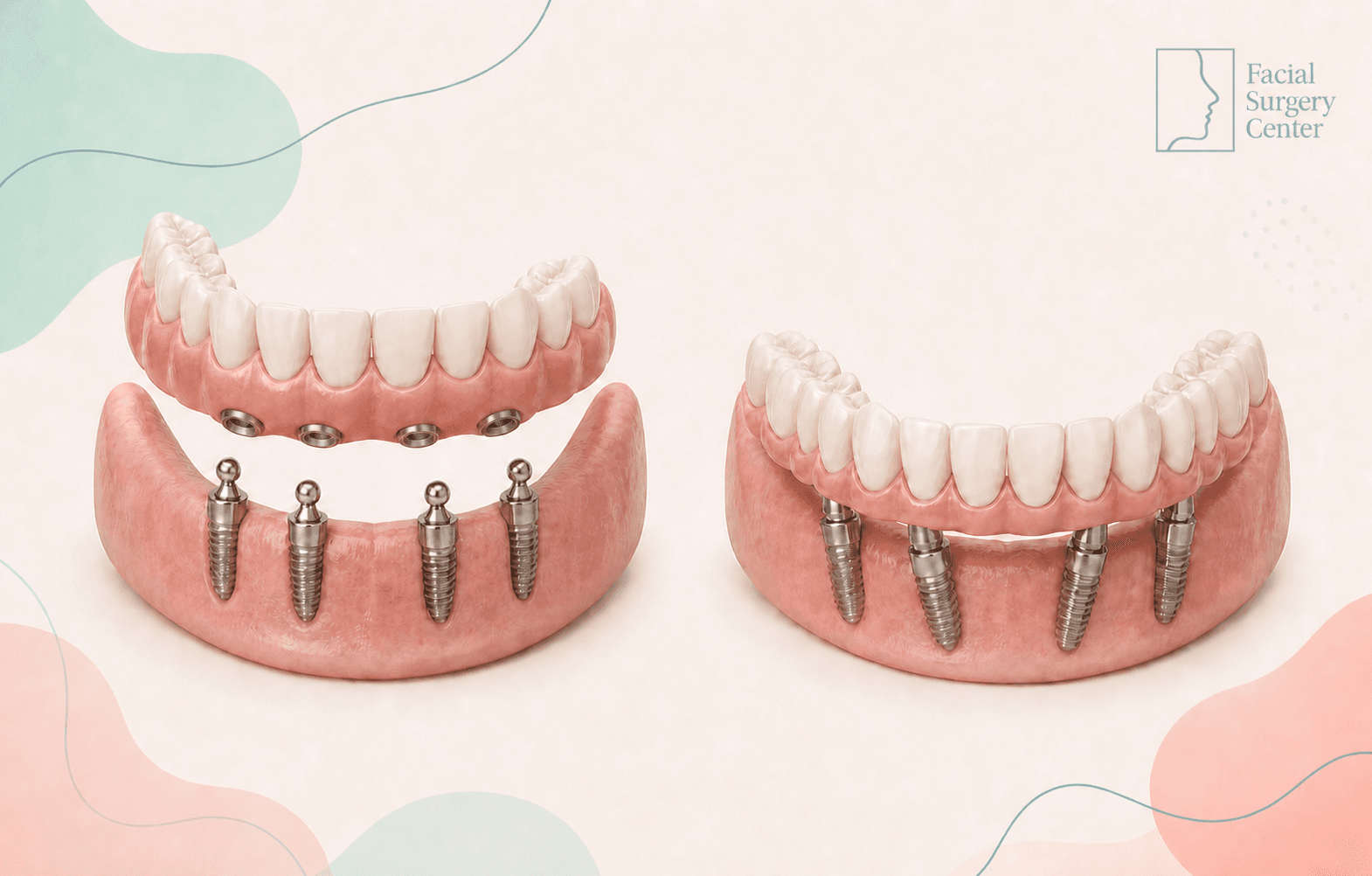
Bigger procedures shift this timeline. Multiple extractions, surgical wisdom teeth, bone grafting, or dental implant placement all take longer, and your surgeon will tell you if yours is one of them.
Two exceptions hold longer than the rest: keep avoiding hard, crunchy, and seeded foods until the socket has closed over, and keep away from straws and smoking for the full window below.
What to avoid, and for how long
| Avoid | For how long | Why |
|---|---|---|
| Straws | At least 1 week | Suction dislodges the clot |
| Smoking and vaping | At least 2 weeks | Delays healing, raises infection and dry socket risk |
| Hot food and drink | First 24–48 hours | Heat can soften the clot and increase bleeding |
| Crunchy and sharp foods | Until healed over | Chips, nuts, popcorn, seeds lodge in the socket |
| Spicy and acidic foods | Roughly 1 week | Sting and irritate healing tissue |
| Alcohol | While on pain medication | Interacts with medication, slows healing |
| Forceful swishing and spitting | First 24 hours | Mechanically disturbs the clot |
The straw and smoking restrictions are the two that matter most, and they are the two people most often cut short. Both are longer than the 24 hours many general articles suggest.
Signs worth a phone call
Recovery is predictable enough that problems are easy to spot. Call us if you notice:
- Deep throbbing pain starting three to five days after surgery, often radiating toward the ear — the classic dry socket pattern
- Swelling that increases after day three instead of decreasing
- A fever above 101°F
- Bleeding that has not slowed after 30 to 60 minutes of firm, uninterrupted gauze pressure
- Difficulty opening your mouth that is getting worse rather than better
- Numbness in the lip or chin that has not begun to fade after several days
Difficulty swallowing or breathing is different. Call 911 or go to the nearest emergency department rather than waiting for a return call from the office.
Dry socket is treated in a few minutes with a medicated dressing, and the relief is immediate. There is no reason to wait it out.
The short version
Cool and smooth for the first two days, soft and more substantial through day three, light chewing on the other side from day four, and normal food within a week or two. No straws for a week, no smoking for two, and nothing sharp until you have healed over.
If you are unsure whether something is safe to eat, or your recovery is not following the pattern above, get in touch with our Trumbull office — we would far rather answer a question early than treat a complication later.